service@chemindustry.com

|
 |
|
|
|
 |
News Details |
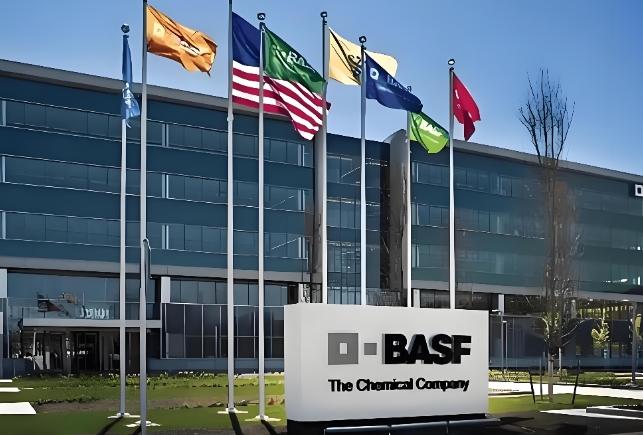
Recently, global chemical leader BASF has intensively issued product price increase announcements across multiple regions, while simultaneously pushing for the contraction of low-efficiency regional capacity. Prices for multiple industrial chains, including nylon and polyols, have been raised. Coupled with synchronized price hikes by peers, volatility in the international chemical raw materials market has intensified.
On August 17, BASF announced price increases for caprolactam, nylon 6, and nylon 6/66 copolymers in North America by $0.08/lb (approximately RMB 1,197/ton), effective September 1, 2026.
In its announcement, BASF stated that the continuously changing global situation has exacerbated volatility in the nylon value chain and did not rule out further adjustments to product prices.
This is not the first time BASF has raised prices for nylon-related products in North America this year.
As early as June 2, the company had already announced an immediate price increase of $0.10/lb for the aforementioned categories. Amid the wave of price hikes for nylon raw materials in the North American market, local company AdvanSix also followed suit.
Public information shows that AdvanSix notified on July 29 that prices for caprolactam, nylon 6, and nylon 6/66 copolymers would be raised by $0.12/lb starting August 3. Data indicates that AdvanSix is an independent publicly traded chemical company in the United States, spun off from Honeywell in 2016, specializing in nylon 6 resins, caprolactam, and ammonium sulfate fertilizers.
The polyol product line is also entering a price adjustment cycle.
On August 13, BASF announced price increases for all specifications and packaging of NEOL® neopentyl glycol (NPG) in the US and Canadian markets by $221/ton (approximately RMB 1,500/ton), effective September 1, 2026.
Just the day before (August 12), BASF took the lead in initiating price adjustments in the European market, raising quotes for neopentyl glycol (Neol®) and 1,6-hexanediol (HDO) in the region. Neopentyl glycol increased by 250 euros/ton (approximately RMB 1,944/ton), and 1,6-hexanediol was raised by 300 euros/ton (approximately RMB 2,332/ton), effective immediately or in accordance with existing contract terms. Neopentyl glycol and 1,6-hexanediol are important chemical intermediates in the fields of coatings, polyurethanes, and high-end resins.
While raising product prices in multiple locations, BASF has simultaneously initiated the optimization of low-efficiency regional capacity.
On August 4, BASF India Limited disclosed plans to shut down the sulfation unit and low-temperature reactor units belonging to the Care Chemicals business at the Dahej production site.
The company explained that the shift in the competitive landscape of the local Indian market, industry overcapacity, rising production costs, and sustained pressure on profit margins are the core reasons for this shutdown. The relevant units are planned to complete the shutdown process by the end of 2026, subject to final approval.
BASF emphasized that this measure targets specific production units only and does not represent a full exit from the Indian care chemicals sector. Moving forward, the company will continue to produce, import, and sell other care chemical products locally in India based on customer demand.
Industry analysis suggests that on one hand, BASF is continuously raising prices for nylon and polyol products in core European and American markets to pass on operational pressure to the downstream; on the other hand, it is actively shutting down uncompetitive regional facilities to optimize its global capacity layout.
The parallel implementation of price increases and capacity contraction reflects that multinational chemical enterprises are dynamically adjusting their business strategies according to supply and demand and competitive environments in different regions, and the trend of differentiation in the global chemical industry chain is likely to continue.
|
Recommended Suppliers |